
Struggling With Lower Belly Fat? Focused Treatment Targets Resistant Deposits
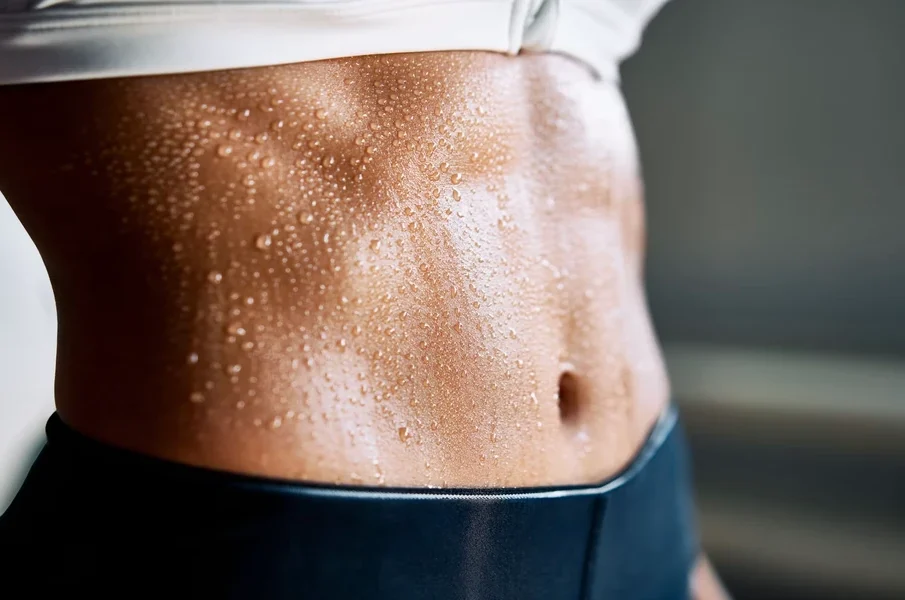
Lower abdominal fat can remain noticeable despite steady lifestyle habits. Body shape often makes this area slower to change. For targeted contouring, fat freeze treatment focuses cooling on selected deposits. The method suits people seeking shape changes without surgery. Treatment planning considers tissue thickness, skin condition, and proportions. Realistic goals also help create sensible expectations about visible changes.
Lower Abdominal Deposits Need Focused Attention
Certain abdominal areas hold stubborn fat beneath the skin. Routine exercise may strengthen muscles without changing every deposit. This creates a gap between fitness and visible contour. Focused cooling addresses that specific layer through controlled temperature. The body then handles affected cells over time.
That gradual process matters for people seeking subtle shaping. Results develop as treated cells leave the body naturally. Therefore, patience becomes part of the overall plan.
Which Areas Can Receive Targeted Cooling?
Treatment planning starts with identifying suitable tissue around the abdomen. A practitioner checks whether enough pinchable fat exists there. Skin quality also affects the final contour. These details help determine whether treatment suits the individual.
Important considerations can include:
- The area needs sufficient surface fat.
- Skin condition should support sensible contouring goals.
- Body weight should remain reasonably stable.
- Expectations need to match the treatment purpose.
These checks create a clearer starting point. They also help separate shaping goals from weight reduction.
What Does The Cooling Process Feel Like?
During fat freeze treatment, an applicator draws selected tissue toward cooling surfaces. Initial contact can create pulling or firm pressure. Cold sensations may become noticeable during the session. Numbness can develop as cooling continues across the area. Afterward, tenderness or sensitivity may remain temporarily.
Because the process uses external equipment, surgical incisions are unnecessary. That difference can make recovery simpler for suitable individuals. Still, each person can respond differently after treatment.
Why Do Visible Changes Develop Gradually?
The body needs time to process affected fat cells. Early swelling can also hide small contour differences. As recovery progresses, the treated region can look more defined. Progress therefore becomes easier to judge after sufficient time.
Several personal factors can influence this process:
- Individual body responses vary after treatment.
- Fat thickness affects the visible contour.
- Skin elasticity shapes the final appearance.
- Weight changes can alter abdominal proportions.
- Lifestyle habits support steadier body composition.
This makes immediate comparisons less useful. Gradual observation gives a clearer picture instead.
Could Additional Sessions Refine The Shape?
One session may not address every unwanted deposit. Remaining tissue can create uneven proportions around the abdomen. A follow-up assessment helps determine whether further shaping makes sense. Practitioners can compare the original area against later changes.
However, additional treatment should serve a clear purpose. More sessions do not automatically create better proportions. Careful spacing also allows earlier results to become visible.
Specific Goals Keep Contouring More Meaningful
Lower belly shaping works best when the target remains clearly defined. A small fold can affect clothing fit and overall proportions. That concern differs from wanting broad weight reduction.
Measurements can provide a useful reference during follow-up. Photographs can also reveal changes missed by casual observation. Most importantly, contouring should focus on proportion rather than complete removal. A modest adjustment can sometimes change how the whole abdomen looks.
FAQs
Can targeted cooling replace weight management?
No. It addresses selected deposits rather than changing overall body weight or replacing healthy daily habits.
Is lower belly tissue always suitable for cooling?
Not necessarily. Tissue thickness, skin condition, and individual goals influence whether the area suits treatment.
Does the procedure involve surgical incisions?
No. External cooling equipment works on selected tissue without requiring surgical cuts or general anesthesia.
Why can results take time to show?
The body gradually processes affected cells, while early swelling can temporarily hide changes around the treated region.


