Cleaning and Care Tips for Thumb Spica Splint Use
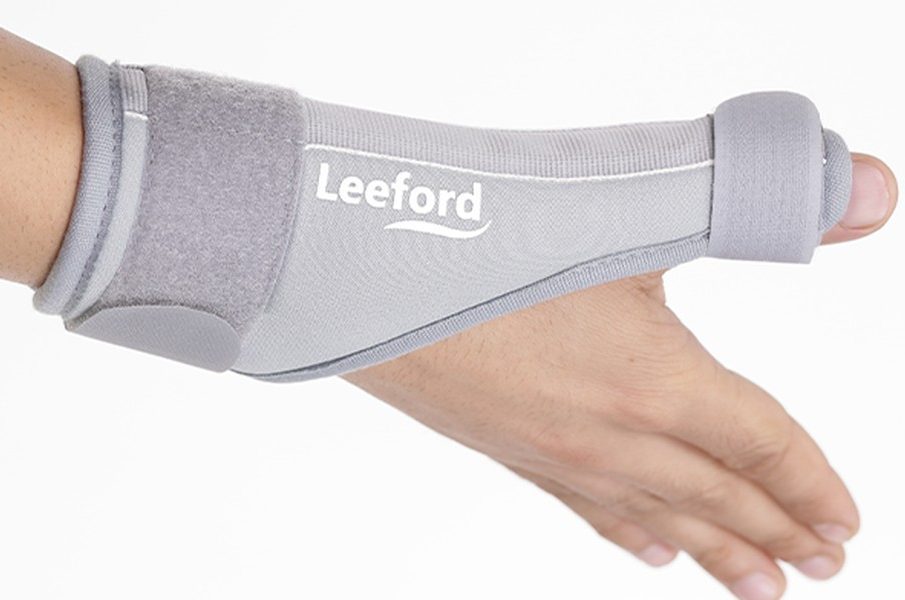
Maintaining an orthopedic hand orthosis is an essential aspect of recovery. The focus is usually on joint stabilization when a medical professional recommends a thumb spica splint. However, keeping the support aid clean is also a requirement for your health. Some individuals ignore this factor.
This is why you might hear others saying a thumb splint is not effective. The secret lies behind how they also care for it. It is not only how you wear it and its features that matter. A clean thumb splint makes sure that your skin remains healthy during the healing process. It also extends the overall lifespan of your orthopedic equipment.
This blog provides some instructions for washing, drying, and maintaining your thumb support. Implementing a structured care routine helps you avoid common issues like fabric smell and skin irritation.
Why Maintenance Matters for Orthopedic Supports?
An orthopedic thumb support is in direct contact with your skin for many hours each day. The human body naturally produces sweat, oils, and dead skin cells. These substances accumulate within the fibres of the fabric as time passes.
This accumulation can trigger several problems if you neglect regular cleaning. It can cause the material to stiffen. This reduces the comfort of the device. It can also create an environment where bacteria form. That is where unpleasant smells and skin rashes are triggered.
Protecting Your Skin
Skin health is linked to the cleanliness of your thumb support. The skin usually becomes soft and sensitive when moisture becomes trapped. This condition can trigger minor rashes and localized itching. Maintaining the splint clean and dry protects the skin barrier.
Maintaining the Thumb Support’s Structure
Thumb supports are usually made from materials like neoprene, nylon, and elastic. These materials provide the targeted compression required to keep thumb joints stable. Sweat and dirt can break down these fibres. Regular maintenance makes sure the straps retain their grip, and the fabric holds its structure.
Tips on Cleaning a Thumb Spica Splint
| Component | Cleaning Method | Frequency | Warning |
|---|---|---|---|
| Fabric Body | Wash it by hand with mild soap in cool water | Once a week or as needed | Do not use bleach |
| Metal Stays | Wipe with a dry/lightly damp cloth | Whenever washing the fabric | Remove before washing the fabric |
| Plastic Inserts | Wipe with a mild soapy cloth and dry | Same time as the fabric | Avoid hot water |
| Straps | Clean lint out with a small dry brush | Check every few days | Do not pull on loose threads |
Indicators to Clean Your Splint
You should implement a cleaning schedule based on the frequency it is worn. However, some signs call for immediate attention.
- An unpleasant smell is coming from the interior lining
- Visible salt lines on the fabric caused by dried sweat
- Small dark spots that indicate mould growth from prolonged dampness
- An unexpected itching sensation on your skin when wearing the device
Final Takeaways
- Proper cleaning and maintenance effectively boost comfort, hygiene, and recovery
- Implement gentle hand washing and air drying measures
- Monitor splint wear and replace it when necessary
- Avoid applying oily lotions and creams before wearing the thumb splint
- Regular inspections prevent small issues from advancing into serious problems
- A thumb spica splint that is well-maintained guarantees effectiveness
All you need to do is to incorporate these cleaning and maintenance measures. They are the effective and safest ways to make sure your splint is not only clean. It becomes comfy also.
FAQs
1. Can I wash my thumb splint in a washing machine?
Machine washing is not good for orthopedic supports. The tumbling action can bend internal components. The spin cycle can stretch out the elastic fabric. Hand washing is the safest way to maintain the structure and function of the device.
2. How often should I clean my thumb support?
Washing the device once a week is basically enough for average daily use. You may have to wash it every two to three days if you live in warm climates.
3. What should I do if my metal stay has started to rust?
A rusting metal eventually stains the fabric and irritates your skin. Wipe the rust off carefully with a dry cloth. Buy a new thumb support if the rust is severe.
4. Is it safe to use rubbing alcohol to sanitize the fabric?
Avoid rubbing alcohol directly on synthetic materials such as neoprene and polyurethane foam. Alcohol can dry out these materials. This causes them to crack, harden, and lose their elasticity. Stick to mild soap and water for sanitizing.
5. Why does my thumb splint still smell bad after washing it?
Soap residue and oils might still be trapped in the thick padding if the bad smell persists. Try washing the support again. Soak it for 15 minutes in soapy water before rinsing. Fully dry it in an airy environment.