Why Dust Builds Up Indoors and How Air Purifiers That Help with Dust Can Reduce It
Dust slowly gathers inside every home. Small particles float through indoor air daily. The air may appear clean at first glance. But fine dust still moves silently indoors. The air carries fibers from fabrics and carpets. Tiny skin flakes fall during normal movement. Pet hair also drifts across living spaces. So, dust forms from many hidden sources. Now modern homes trap air inside longer. Closed windows reduce natural air circulation. Indoor particles stay suspended for longer periods. The dust then settles slowly on surfaces. Sometimes daily activities raise dust again. Walking across floors disturbs settled particles. Furniture fabrics release loose fibers gradually. Dust continues moving through the indoor air.
Why Dust Stays in Indoor Air
Indoor breeze moves dust. Rooms get air from vents. Fans scatter particles at home. Dust travels via air. Today’s sealed dwellings exclude fresh air. Natural ventilation is rarer. Dust stays in homes longer. Indoor particles rise slowly. Tiny dust particles weigh nearly nothing. Small movements lift them easily. Stepping on flooring upsets layers. Dust returns to the air. The result becomes constant indoor circulation. Dust settles briefly then rises again. Air currents carry particles toward new surfaces. The cycle continues each day. Engineers at Airdog study this movement carefully. The company focuses on advanced air cleaning technology. These systems target floating indoor particles.
Health Effects of Indoor Dust
Indoor dust affects breathing comfort gradually. Sometimes dust contains microscopic pollutants. These elements travel deeper into lung passages. Long exposure may reduce indoor air comfort. Children and older adults react more strongly. The immune system becomes sensitive to particles. So, controlling dust supports healthier indoor air. Research from Airdog highlights these health concerns. Their studies show how filtration improves indoor air conditions.
How Air Purifiers Lower Indoor Dust
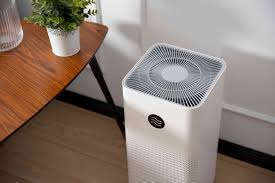
Indoor air purifiers remove particulates. Strong filters quickly catch airborne dust. The room gets clean air again. Fine particles are trapped by high-efficiency filtration. Technological advances prevent trash from settling. Air quality improves indoors. Modern systems reduce pet dander and allergies. Continuous airflow draws dust into filters. The gadget retains particles. Many homeowners use air purifiers that help with dust for cleaner homes. These systems lower airborne particle levels. Dust settles less often across surfaces. Air cleaning systems from Airdog focus on strong filtration. The technology captures fine airborne dust effectively. Clean air circulates back through living spaces.
Conclusion
Dust forms from normal household activity. Skin flakes fabric fibers and outdoor particles mix together. These elements move through indoor air constantly. Dust settles briefly but rises again. Cleaning removes surface dust for short periods. Air purification reduces airborne particles continuously. Cleaner air means less dust across furniture. Homes feel fresher and more comfortable. Effective filtration therefore supports better indoor air quality.