Why Women Over 40 Need a Primary Care Doctor Who Prioritizes Preventive Screenings
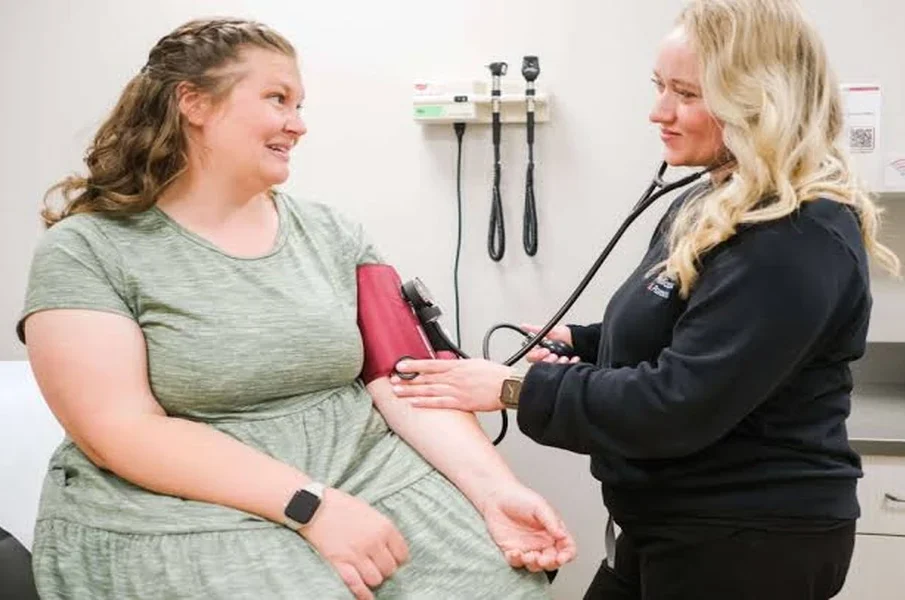
Turning 40 marks a shift in healthcare needs for women. The decade brings increased risks for conditions that were statistically less likely in younger years: cardiovascular disease, type 2 diabetes, osteoporosis, and various cancers. Yet many women continue seeing their primary care physician with the same routine they followed in their 30s, missing the window when early detection makes the most difference. The relationship between a woman and her primary care doctor should evolve as she ages, with preventive screenings moving from optional to essential.
The Changing Risk Landscape After 40
At 40, a woman’s body undergoes hormonal changes that affect everything from bone density to metabolic rate. Estrogen levels begin their gradual decline toward menopause, which typically occurs between ages 45 and 55. This hormonal shift increases the risk of osteoporosis, as bone density can decrease by 20% in the five to seven years following menopause. Cardiovascular risk also rises sharply once estrogen’s protective effects diminish.
Cancer incidence rises with age across nearly all types. The median age for breast cancer diagnosis is 62, but risk begins climbing noticeably after 40. Colorectal cancer, once considered a disease of older adults, now affects younger populations, prompting screening recommendations to start at age 45 instead of 50. Skin cancer risk accumulates with lifetime sun exposure. These aren’t reasons for alarm, but they are reasons to establish a systematic approach to screening with a physician who understands the timeline.
What Distinguishes a Prevention-Focused Primary Care Practice
Not all primary care doctors approach preventive medicine with equal rigor. Some practices focus heavily on acute care, treating illnesses as they arise but spending little time on screening protocols. A prevention-focused practice operates differently. The physician maintains a tracking system for each patient’s screening schedule, sending reminders when mammograms, colonoscopies, or bone density scans come due. These doctors don’t wait for patients to ask about screenings; they build them into the care plan.
During annual exams, these physicians allocate time to discuss family history in detail, noting patterns that might warrant earlier or more frequent screening. They ask about lifestyle factors-diet, exercise, stress, sleep-that influence disease risk. They order baseline tests like lipid panels and fasting glucose even when patients feel healthy, establishing reference points for comparison in future years. Research on primary care access and health outcomes demonstrates that consistent engagement with a primary care physician correlates with better long-term health metrics, partly because these relationships enable proactive rather than reactive care.
Cancer Screening Protocols Women Should Expect
A competent primary care doctor will ensure women over 40 understand the screening recommendations for the most common cancers. Breast cancer screening typically begins with annual or biennial mammography starting at age 40, though guidelines vary slightly between organizations. Women with dense breast tissue may benefit from supplemental ultrasound or MRI. Those with a family history of breast or ovarian cancer, particularly if a first-degree relative was diagnosed before age 50, should discuss genetic counseling and possibly earlier screening.
For women in Abu Dhabi and other regions with access to specialized healthcare facilities, comprehensive screening programs can provide advanced imaging technologies and expert radiological review. Cleveland Clinic Abu Dhabi offers multispecialty cancer care services, and their breast cancer screening programs incorporate the latest imaging modalities and coordinate follow-up when additional testing is needed, ensuring continuity between screening and diagnostic evaluation.
Cervical cancer screening continues through the 40s and beyond, though the interval may lengthen for women with consistently normal results. HPV co-testing with Pap smears every five years, or Pap smears alone every three years, are standard approaches. Skin examinations should occur annually, with dermatology referrals for suspicious lesions. Colorectal cancer screening begins at 45 with colonoscopy, the gold standard that allows for polyp removal during the procedure, or stool-based tests for those who prefer less invasive options.
Metabolic and Cardiovascular Monitoring
Heart disease kills more women than all cancers combined, yet many women underestimate their cardiovascular risk. A primary care doctor should assess blood pressure at every visit and order lipid panels every four to six years for women with average risk, more frequently for those with elevated cholesterol, diabetes, or strong family history. Fasting glucose or hemoglobin A1C tests screen for prediabetes and diabetes, conditions that dramatically increase cardiovascular risk when unmanaged.
Body mass index and waist circumference measurements help track metabolic health trends. Women who were lean in their 30s sometimes experience midlife weight gain tied to hormonal changes and decreased muscle mass. The health consequences aren’t about appearance; visceral fat accumulated around organs drives insulin resistance and inflammation. A good primary care physician will discuss weight honestly but constructively, focusing on metabolic markers rather than arbitrary numbers.
Bone Health and Osteoporosis Prevention
Bone density screening recommendations depend on risk factors. Women with early menopause, family history of fractures, low body weight, cigarette use history, or prolonged corticosteroid use should have baseline DEXA scans in their 40s. For others, screening typically begins at 65. However, waiting until 65 means missing the years when lifestyle interventions-calcium and vitamin D supplementation, weight-bearing exercise, possibly medication-can most effectively preserve bone mass.
Primary care doctors attuned to prevention will assess fracture risk using validated tools and discuss bone health during perimenopause, when intervention has maximum impact. They’ll check vitamin D levels, which are frequently deficient even in sunny climates, and recommend appropriate supplementation doses rather than generic advice.
Mental Health Screening as Preventive Care
The 40s can be a period of significant life stress: aging parents requiring care, children entering adolescence, career pressures peaking, and physical changes that affect self-image. Depression and anxiety screening should be standard at annual exams. Studies examining mental health screening in primary care settings show that routine assessment increases diagnosis rates and treatment initiation for conditions that often go unrecognized.
A prevention-oriented physician will ask about sleep quality, stress levels, and mood changes without waiting for a patient to volunteer distress. They’ll distinguish between normal life stress and clinical depression or anxiety disorders requiring intervention. Mental health directly affects physical health-chronic stress contributes to hypertension, poor sleep degrades immune function, and depression reduces adherence to other preventive measures.
Building the Patient-Physician Partnership
Preventive care works best when patients and physicians share responsibility. Women should prepare for annual exams by updating their family health history, listing current medications and supplements, and noting any new symptoms even if they seem minor. They should ask questions about which screenings are recommended based on their individual risk profile, not just standard guidelines. If a physician dismisses concerns or doesn’t proactively discuss screening schedules, it may be time to find a new primary care doctor.
The relationship should feel collaborative. A doctor who listens, explains reasoning behind recommendations, and adjusts plans based on patient preferences and circumstances is practicing patient-centered care. Screening decisions sometimes involve trade-offs-false positives that lead to unnecessary biopsies, radiation exposure from imaging, the discomfort of colonoscopy-and patients should understand these factors when making informed choices.
Making Preventive Care a Priority
Life after 40 becomes busier for many women, with professional and family obligations leaving little time for healthcare appointments. Yet this is precisely when preventive care matters most. Scheduling annual exams a year in advance, blocking time for screening procedures, and viewing preventive appointments as non-negotiable rather than optional represents an investment in long-term health. Early detection changes outcomes. A small polyp removed during colonoscopy prevents colorectal cancer. A mammogram that catches breast cancer at stage 1 means better treatment options and significantly improved survival rates.
Women over 40 should expect their primary care physician to be an active partner in prevention, not a passive responder to acute problems. The right doctor will track screening schedules, discuss risk factors thoroughly, order appropriate tests, and coordinate referrals to specialists when needed. This proactive approach to healthcare transforms the experience from reactive sick care to genuine preventive medicine, giving women the best chance at healthy decades ahead.